

Industrial security for rail yards, ports, and logistics hubs works best as a layered system with perimeter access control, AI-integrated video analytics, and live remote monitoring that flags irregular activity as it happens. A Remote Guard model adds two-way audio talk-downs, so trained analysts can intervene in real time rather than simply record the incident.
Key Takeaways
- Rail, port, and logistics sites face layered threats, including trespassing, cargo theft, illegal dumping, and metal theft that no single camera system can stop on its own.
- Rail cargo theft alone costs major U.S. railroads more than $200 million in 2025, a jump of over 50% year-over-year.
- Remote Guarding pairs AI-based detection with live human verification and two-way audio talk-downs, so a trained analyst can intervene before local authorities even arrive.
- Mobile surveillance trailers extend coverage to active construction zones, temporary laydown yards, and seasonal capacity spikes without a permanent installation.
- A layered plan perimeter, access control, monitoring, and a written response protocol consistently outperforms any single technology used alone.
The Security Problem Rail, Port, and Logistics Sites Actually Have
A distribution yard doesn’t look like a bank vault, and that’s exactly the problem.
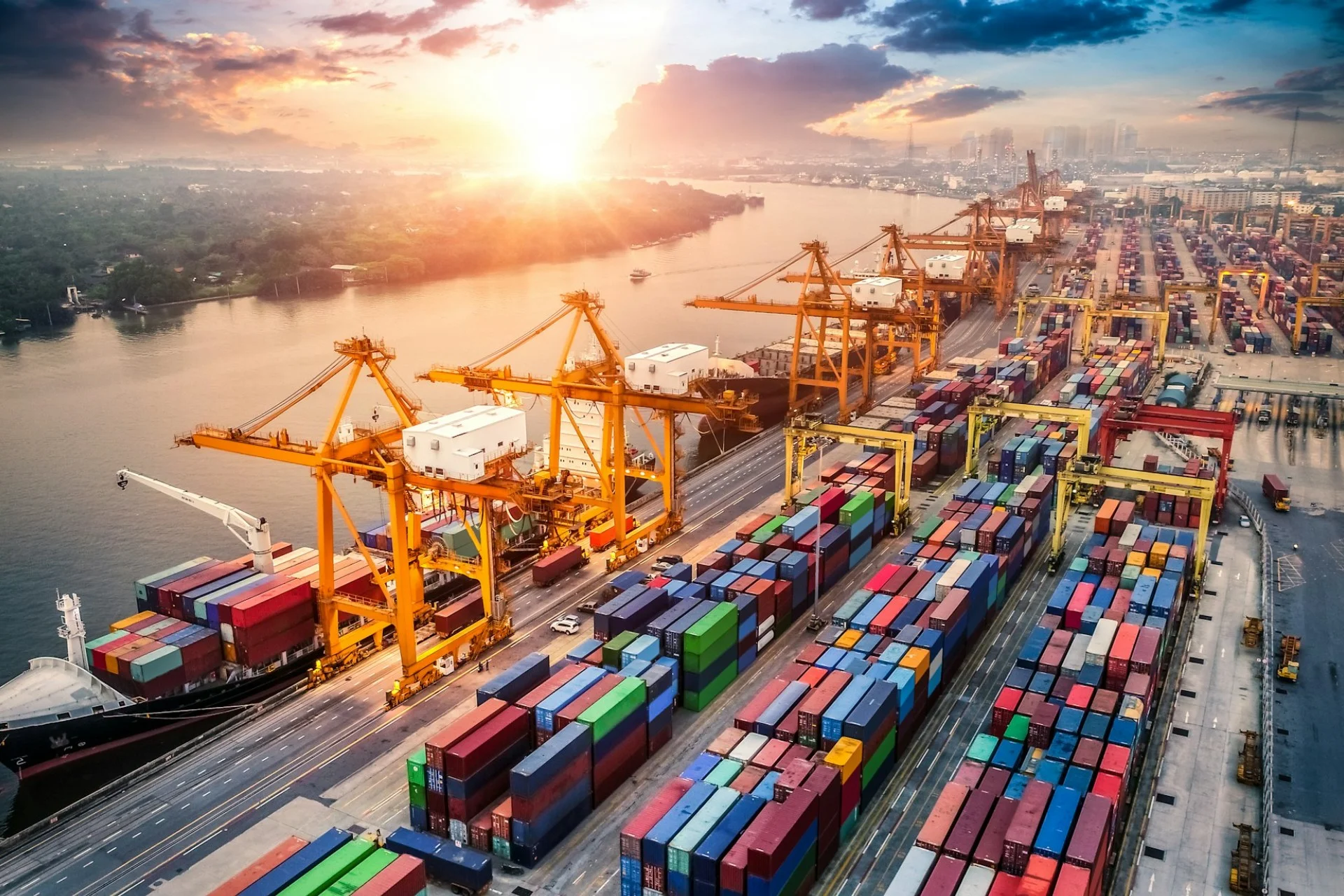
Rail sidings run for miles through open, often unlit terrain. Port container yards stack high-value freight in the open, accessible from multiple points at once. Logistics hubs run trailers in and out around the clock, which means there’s rarely a moment when the property is fully “closed.”
That combination large perimeters, constant activity, and high-value static cargo makes these sites some of the hardest in the country to secure with a traditional guard-and-camera setup.
The numbers back this up. The Association of American Railroads reports that major U.S. railroads reported more than 75,000 theft incidents at a value of over $200 million in losses for 2025, more than a 50% increase year-over-year. Freight moving off the rail isn’t spared either: Verisk CargoNet’s 2025 annual analysis found that estimated cargo theft losses across the U.S. and Canada reached nearly $725 million, a 60% jump from 2024, even as the average value stolen per incident climbed 36% to $273,990. Criminal groups aren’t hitting more targets — they’re being more selective about which high-value loads they go after.
That shift matters for how you think about coverage. A security plan built to catch opportunistic trespassers won’t necessarily stop a crew that’s studied your schedule and knows exactly which railcar or trailer to hit.
Why a Single Camera System Isn’t Enough
Standard CCTV records what happened. It doesn’t stop anything while it’s happening.
By the time footage gets reviewed, the cargo, the copper wire, or the equipment is already gone — and whoever took it usually knew the cameras were passive from the start. That’s the gap a Remote Guard model is built to close: instead of recording an event for later, trained operators watch live feeds in real time, verify what they’re seeing, and act immediately.
A Layered Security Model for Industrial Sites
Rail, port, and logistics operators tend to get the best results from a layered model rather than betting everything on a single line of defense.
- Perimeter detection — fencing, thermal or motion-based sensors, and lighting that make unauthorized entry harder and easier to spot.
- Access control — gated entry points, credentialed access for drivers and staff, and visitor logging at every active gate.
- AI-integrated video analytics — smart cameras that filter out wind, wildlife, and passing traffic, then flag genuine anomalies for human review.
- 24/7 surveillance with live remote monitoring — trained analysts watching verified alerts in real time, not scrolling through footage after the fact.
- Live Talk Downs with 2-way audio — a direct, on-the-spot verbal warning that identifies the intruder has been seen and gives them a reason to leave before anything escalates.
- A written incident response protocol — a clear chain of who gets notified, when law enforcement gets called, and how the incident gets documented.
Each layer covers a gap that the others don’t. Fencing slows someone down; analytics catches what a human watching twelve monitors might miss; a live talk-down interrupts an incident in progress instead of just filing a report on it afterward.
Where Mobile Security Trailers Fit In
Not every vulnerable point on a rail, port, or logistics site is permanent.
Active construction on a new siding, a temporary container laydown area during a peak shipping season, or a distribution center expansion all create exposure that doesn’t justify a fixed camera install — but absolutely justifies coverage. That’s where mobile surveillance trailers earn their place in the plan:
- Rapid deployment to active construction zones without waiting on electrical or network buildout.
- Solar or generator-powered options for remote sidings and yard extensions with no existing infrastructure.
- Relocatable coverage that follows the risk — move it to wherever the laydown area or staging zone shifts next.
- The same live remote monitoring and two-way audio talk-down capability as a fixed installation, just without the fixed footprint.
For operators managing multiple active sites or seasonal capacity surges, a trailer-based deployment often closes a coverage gap faster than a permanent build-out ever could.
What Remote Guarding Actually Prevents
The goal isn’t just “more cameras.” It’s stopping specific, recurring problems before they turn into a loss report:
- Trespassing and after-hours entry onto rail yards, port terminals, and distribution lots.
- Cargo and equipment theft, whether it’s a full trailer, a spool of copper, or tools left on a job site.
- Illegal dumping on unused portions of large industrial parcels.
- Dumpster diving and scavenging around loading docks and waste areas.
Scale matters here, too. U.S. seaports move an enormous volume of goods — each year, roughly $1.4 billion tons of foreign trade cargo, including more than 11 million maritime containers, arrive at U.S. seaports — which is part of why ports and the logistics networks feeding them remain a persistent target for organized theft. A property that can demonstrate active, verified monitoring is a materially harder target than one relying on a camera system nobody’s watching in real time.
Frequently Asked Questions
What is the best way to secure a rail yard from copper theft and trespassing?
A layered approach works best: perimeter fencing and lighting, AI-based video analytics tuned to flag movement along the right-of-way, and live remote monitoring with two-way audio so an operator can issue a talk-down the moment someone is spotted near the tracks or signal equipment.
How does remote video monitoring work at ports and logistics facilities?
Trained analysts watch live camera feeds from an off-site monitoring center, verify AI-flagged alerts in real time, and respond directly through two-way audio talk-downs or by dispatching authorities — instead of only reviewing recorded footage after an incident has already occurred.
Can security cameras actually stop cargo theft, or just record it?
Standard cameras only record. A Remote Guard model changes that by having a live analyst watch verified alerts as they happen and intervene with a two-way audio talk-down in real time, which is what actually interrupts an incident instead of just documenting it afterward.
Are mobile security trailers effective for temporary rail or port sites?
Yes. Mobile trailers bring the same AI-integrated cameras, live remote monitoring, and two-way audio talk-down capability as a fixed installation. Still, they can be deployed quickly to active construction zones, temporary laydown yards, or seasonal overflow areas without a permanent build-out.
How much does industrial security cost compared to on-site guards?
Remote Guarding is generally positioned as a more cost-effective alternative to round-the-clock on-site guards, since a single monitoring team can cover multiple cameras and sites simultaneously rather than staffing a physical guard at each location.
What technology helps detect trespassing on large rail or logistics properties?
AI-integrated video analytics paired with 24/7 live remote monitoring is the core of it — smart cameras filter out false alarms from weather or wildlife, escalate genuine activity to a trained analyst, and enable an immediate two-way audio response.
Learn more about how Industrial Video Surveillance & Remote Monitoring applies this layered model to yards, sidings, and distribution hubs. For a security assessment, call (877) 287-2221 or email info@alphavs.com.
Conclusion & Next Steps
Rail yards, ports, and logistics hubs aren’t going to get smaller or less busy, and neither will the criminal groups targeting them. The operators managing risk best right now aren’t relying on a single fix—they’re layering perimeter controls, AI-based detection, live remote monitoring, and a real response plan into a single system.
Schedule a security assessment to identify coverage gaps at your rail, port, or logistics site, and how a Remote Guard model with mobile trailer options can close them without a full infrastructure rebuild.